
How Will We Feed 10 Billion People?
Provided by: Be Smart|Published on: April 27, 2021
Grades: 6, 7, 8, 9, 10, 11, 12
Type: Videos
Subjects: Biology
Authors: Be Smart
Region: Global
Languages: English
This resource has been reviewed by SubjectToClimate's climate scientists and verified for scientific accuracy and up-to-date information. Learn about our review process →
This resource has been reviewed by SubjectToClimate's climate scientists and verified for scientific accuracy and up-to-date information. Learn about our review process →
Synopsis
- This video from Ecosia explains how climate change has forced scientists and farmers to work harder to feed the growing population.
- Students will learn how better farming methods and biotechnology have helped prevent widespread famines in the past.
Teaching Materials
Positives
- The video's host is engaging for viewers.
- To support understanding and engagement, the video includes many visuals and graphs.
Prerequisites
- There are advertisements at the beginning and end of the video.
- The video's content ends at 6 minutes, 27 seconds.
Differentiation & Implementation
- Science classes can make charts to show the pros and cons of biotechnology and traditional farming methods. Students can brainstorm ways for biotechnology and traditional farming methods to be used together to produce higher crop yields.
- History classes can compare primary source documents about Norman Borlaug with modern documents about GMOs. Students could write about the way that current events shape people's opinions.
- Other resources on this topic include this video on the differences between organic and conventional farming, this course on the environmental impacts of food and farming, and this video from the American Museum of Natural History on human population growth.
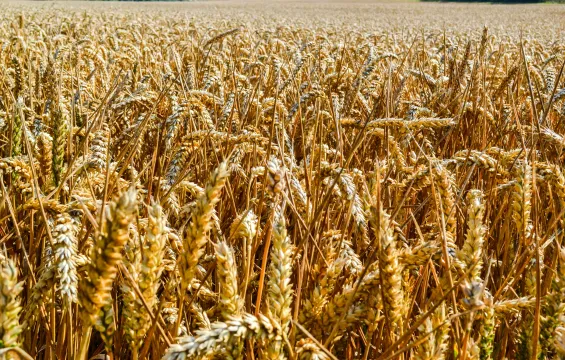
This video resource from PBS examines how we have continued to feed people, despite exponential population growth, using science. It also explores how scientists plan to feed the world as we continue to increase in population. This resource is recommended for teaching.
Teaching Tips
Standards
Resource Type and Format
Scientist Reviewed
This resource has been reviewed by SubjectToClimate's climate scientists and verified for scientific accuracy and up-to-date information. Our review process ensures that every resource in our library reflects the current state of climate science.
Learn about our review process →