
Journey of Water: From Páramo to the Kitchen Sink
Provided by: The Nature Conservancy|Published on: June 14, 2025
Grades: 3, 4, 5, 6, 7, 8
Type: Lesson Plans
Subjects: Earth and Space Sciences
Authors: Nature Lab by The Nature Conservancy
Region: South and Central America
Languages: English
This resource has been reviewed by SubjectToClimate's climate scientists and verified for scientific accuracy and up-to-date information. Learn about our review process →
This resource has been reviewed by SubjectToClimate's climate scientists and verified for scientific accuracy and up-to-date information. Learn about our review process →
Synopsis
- In this virtual field trip from Nature Lab by The Nature Conservancy, students will learn about fresh water and the watershed for the city of Bogotá.
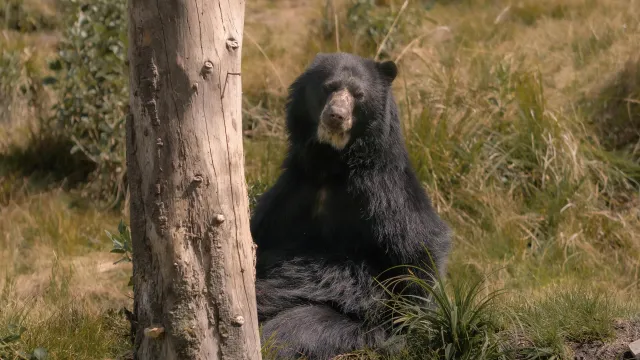
- Students will understand the importance of water conservation and become familiar with some of the wildlife that lives in Columbia.
- This lesson connects with climate change topics such as changing precipitation patterns, increasing droughts, and more evaporation due to higher temperatures.
Teaching Materials
Positives
- Students will love seeing the wildlife in these ecosystems.
- Through this field trip, students will get insight into what it is like to have a career in science and hear from a real scientist working in Columbia.
Prerequisites
- Teachers will need to access the virtual field trip using this link. If teachers do not have access to YouTube, they can go to this link and scroll to the video titled Journey of Water: Colombia’s Páramo.
- It may benefit students to understand that, while water is a renewable resource, there is only a finite amount of clean drinking water that can be used at one time.
Differentiation & Implementation
- Teachers can use this virtual field trip to discuss water filtration and the need for clean water. Teachers can also talk about water scarcity and the impact climate change has on access to water.
- Teachers may want to pause the video as text pops up on the screen so students have time to read or read this text aloud to students.
- After watching the segment discussing the water footprint of various things, students can use this calculator to add an interactive component to this topic.
- Before hearing the other students' responses, teachers can pause the video at 14:48 and ask their class to think of ways they use water.
- After watching the video, students can take some time to research their watersheds and where their water comes from.
This resource provides teachers with a virtual field trip guide and lesson plan for students to learn about ecosystems and the movement of water. Students will take a virtual field trip through Colombia and experience the biodiversity of an ecosystem near Bogota. The link to the virtual field trip was not provided in the resource but can be found here: https://www.youtube.com/watch?v=Pczl6TcFo_0. The resource also includes discussion questions and vocabulary words from a reputable source. Ultimately, this resource would be a great addition to a classroom discussion on biodiversity and the movement of water.
Teaching Tips
Standards
Resource Type and Format
About the Partner Provider
The Nature Conservancy
The Nature Conservancy is a global environmental nonprofit working to create a world where people and nature can thrive. The Nature Conservancy has grown to become one of the most effective and wide-reaching environmental organizations in the world.
Scientist Reviewed
This resource has been reviewed by SubjectToClimate's climate scientists and verified for scientific accuracy and up-to-date information. Our review process ensures that every resource in our library reflects the current state of climate science.
Learn about our review process →