

New Invention Could Help Keep Sharks off Fishing Hooks
Provided by: Mongabay Kids|Published on: May 28, 2026
Grades: 3, 4, 5, 6, 7, 8
Type: Articles/Websites
Subjects: Science
Authors: Mongabay Kids
Region: Global
Languages: English
This resource has been reviewed by SubjectToClimate's climate scientists and verified for scientific accuracy and up-to-date information. Learn about our review process →
This resource has been reviewed by SubjectToClimate's climate scientists and verified for scientific accuracy and up-to-date information. Learn about our review process →
Synopsis
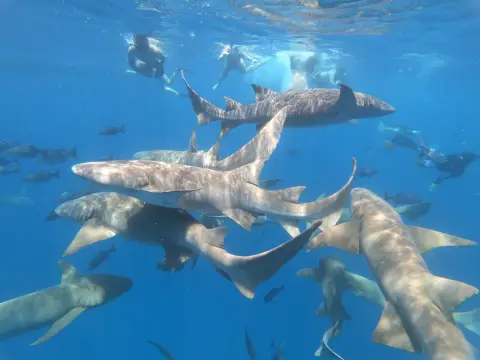
- This short post and accompanying video describe a simple invention designed to protect sharks from being caught accidentally on fishing hooks.
- Students learn how the device works, its efficacy and why this solution is important.
Teaching Materials
Prerequisites:
- Consider defining the term bycatch ahead of time.
Classroom Implementation:
- Use this video to introduce a lesson or unit about threats to biodiversity and solutions to these problems or an ocean ecosystems lesson.
- Have students demonstrate their understanding by defining bycatch and explain how the invention works.
This quick video explains how a simple piece of technology can help protect sharks from being injured or killed by fishing. This product is an example of a solution that reduces the impact of human activities on the wildlife around us. The information presented is accurate, and this resource is recommended for teaching.
Teaching Tips
Standards
Resource Type and Format
About the Partner Provider

Mongabay Kids
Mongabay Kids is the dedicated youth education initiative at Mongabay, an award-winning nonprofit environmental and conservation news organization. We provide free, age-appropriate news, features, activities, and multimedia resources that inspire curiosity, ecological understanding, and action. Designed for children ages 8-14, families, and educators, Mongabay Kids empowers the next generation to explore, celebrate, and protect the natural world.
Scientist Reviewed
This resource has been reviewed by SubjectToClimate's climate scientists and verified for scientific accuracy and up-to-date information. Our review process ensures that every resource in our library reflects the current state of climate science.
Learn about our review process →