
'Super El Niño' May Supercharge Climate Change Into Global Calamity
August 12, 2026

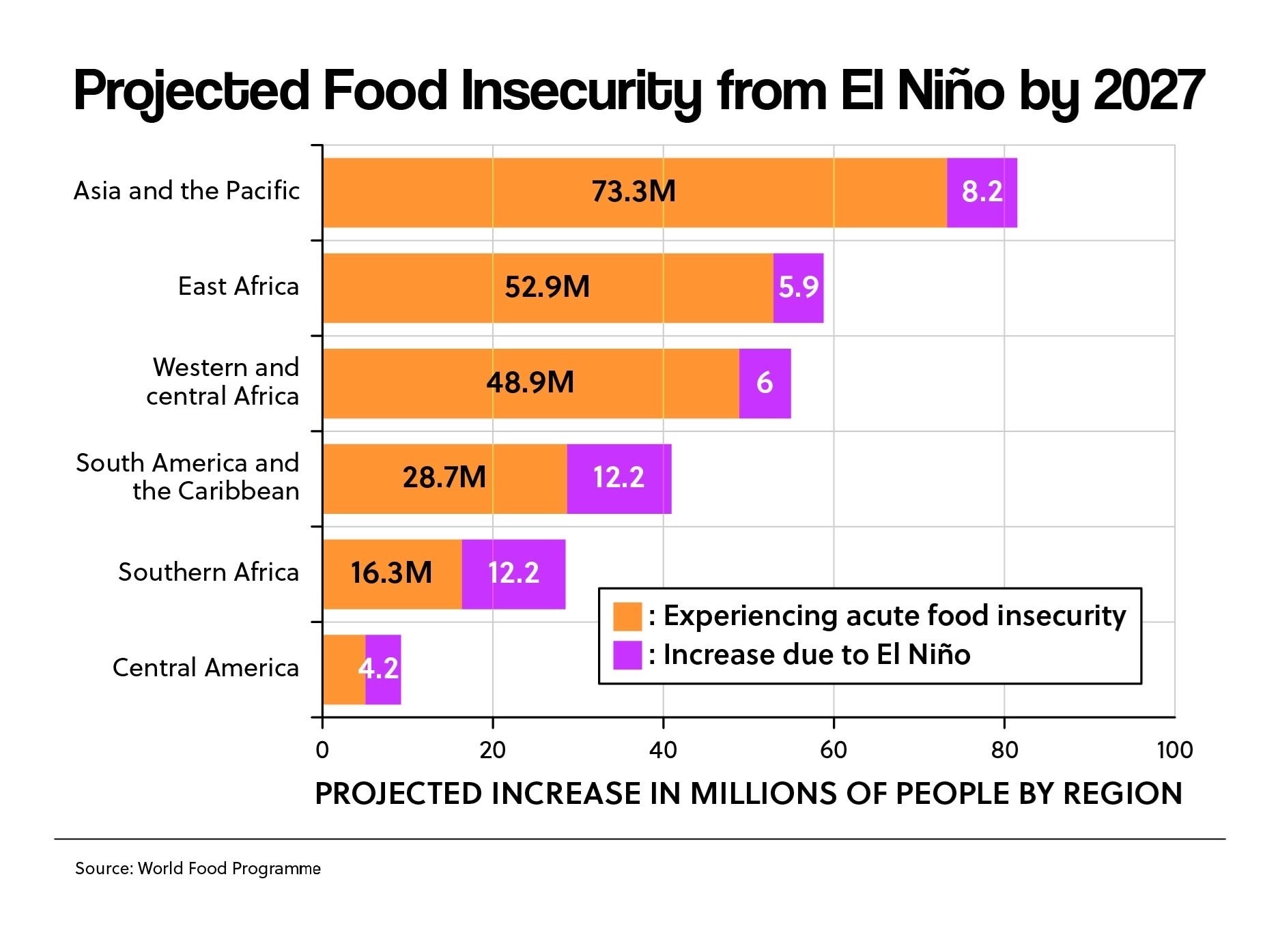
Early this year, climate experts warned that 2026 could be one of the hottest years on record. They based that forecast on two factors — global warming and the start of the El Niño weather cycle. Now, experts are upgrading that forecast. They are warning that the warming El Niño system could be the most powerful in more than a generation.
Some scientists are referring to the current system as a “Super El Niño.”
El Niño means “Christ Child” or “The Boy” in Spanish. It refers to a warming of the ocean surface temperatures in the Pacific Ocean. Winds along the ocean’s surface usually blow from east to west along the equator. During an El Niño cycle, they weaken. In some cases, they may start blowing the other direction. This can bring warmer weather across North America, Europe, and the globe.
An El Niño cycle occurs about every two to seven years. This year’s system started in early June. Experts officially declare an El Niño when ocean temps rise to at least 0.5° Celsius above the long-term average. By early August, temps in the eastern Pacific were a whopping 26° Celsius above normal. And global ocean temps reached an all-time high in July.
“It’s nuts how quickly the event is developing and how strong it is,” Zeke Hausfather told IFLScience. He's a climate expert at Berkeley Earth.
The last time such an event was recorded came in 1997-98. Heat waves, drought, and storms in that cycle led to a loss of trillions of dollars to the global economy and killed thousands of people.
Hausfather warned that this Super El Niño, along with climate change, could be even worse. “We're in uncharted territory,” he told IFLScience.
Reflect: How do you think something happening in one part of the world can end up affecting people in a completely different part of the world?
News brought to you by 
Read More News Stories Today!