
Yen-Yen Chiu has been in public education since 2001, teaching multiple levels of English and math at the middle school and high school levels in California and New Jersey. She holds credentials in English, math, and introductory music, as well as a doctorate in Educational Leadership. She has a passion for creating interdisciplinary curricula with student choice and assessments that highlight diverse learning styles and applications of knowledge.
Low-Prep Activities for Your First Weeks
Low-prep activities for your first weeks include low-prep, engaging lessons and activities that help 6-8 teachers build community and routines.
Explore this Guide
Your First Week, Made Easier
Welcome back, 6-8 teachers! Whether you're new to teaching climate and environmental topics or building on years of experience, this guide helps you weave them into what you're already doing. Inside, you'll find resources for every subject area designed to fit the first few weeks of school, when you're building routines, getting to know your students, and setting the tone for the year ahead. From low-prep warm-ups and hands-on outdoor activities to science investigations, writing lessons, and real-world math, everything here is ready to use and built to slot right into your existing plans. These fun back-to-school activities for kids work for multiple grade levels and can be differentiated for all learners. Check out these back-to-school activities middle school educators can use on day 1!
Quick and Easy
Low-prep and ready to go on day one, these resources give you something engaging and meaningful for students right away, with little to no setup required. Each one can work as a whole-class warm-up, a group activity, or a short independent practice during the first days of school.
Back to School Activities
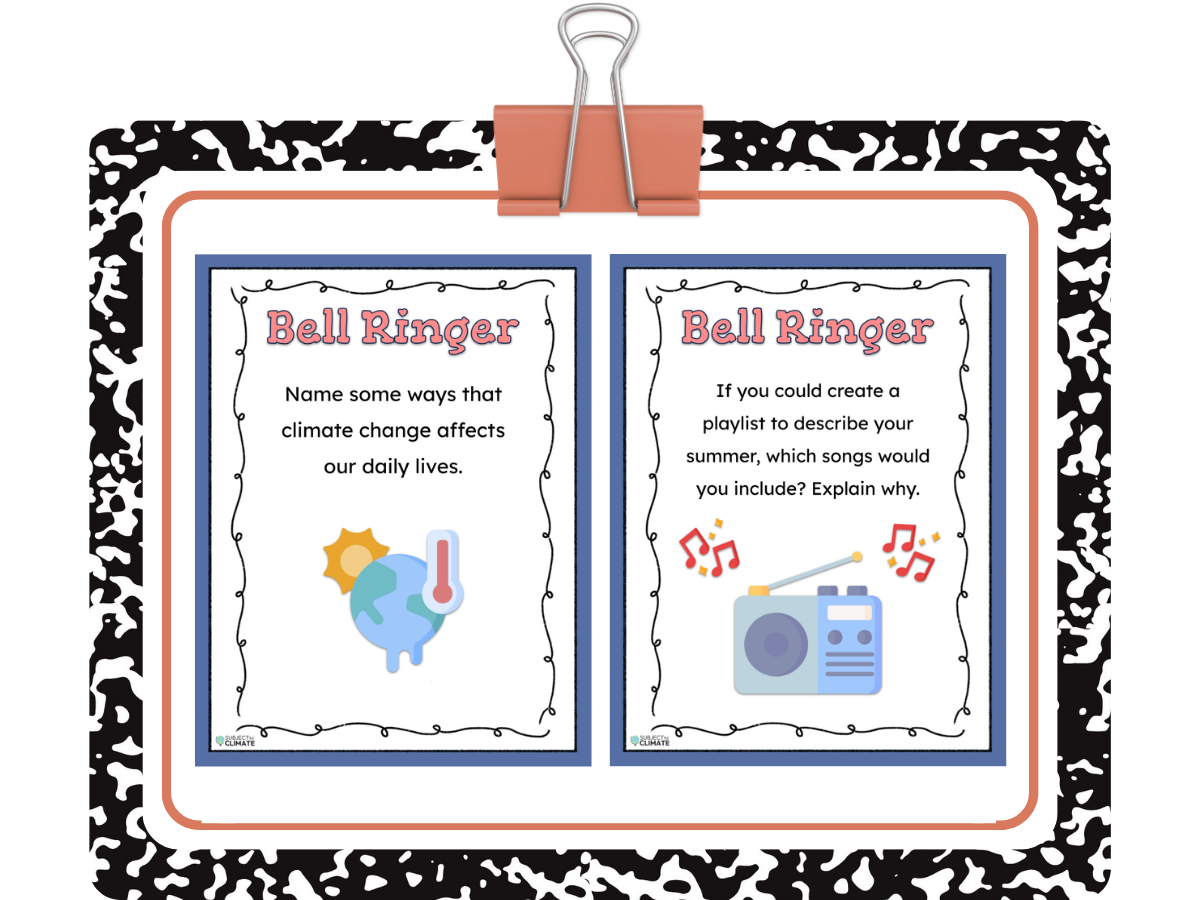
This ready-to-use collection includes writing prompts, bell ringers, planner pages, monthly calendars, goal-setting sheets, a student survey, and coloring pages to help students reflect on their summer and set goals for the year.
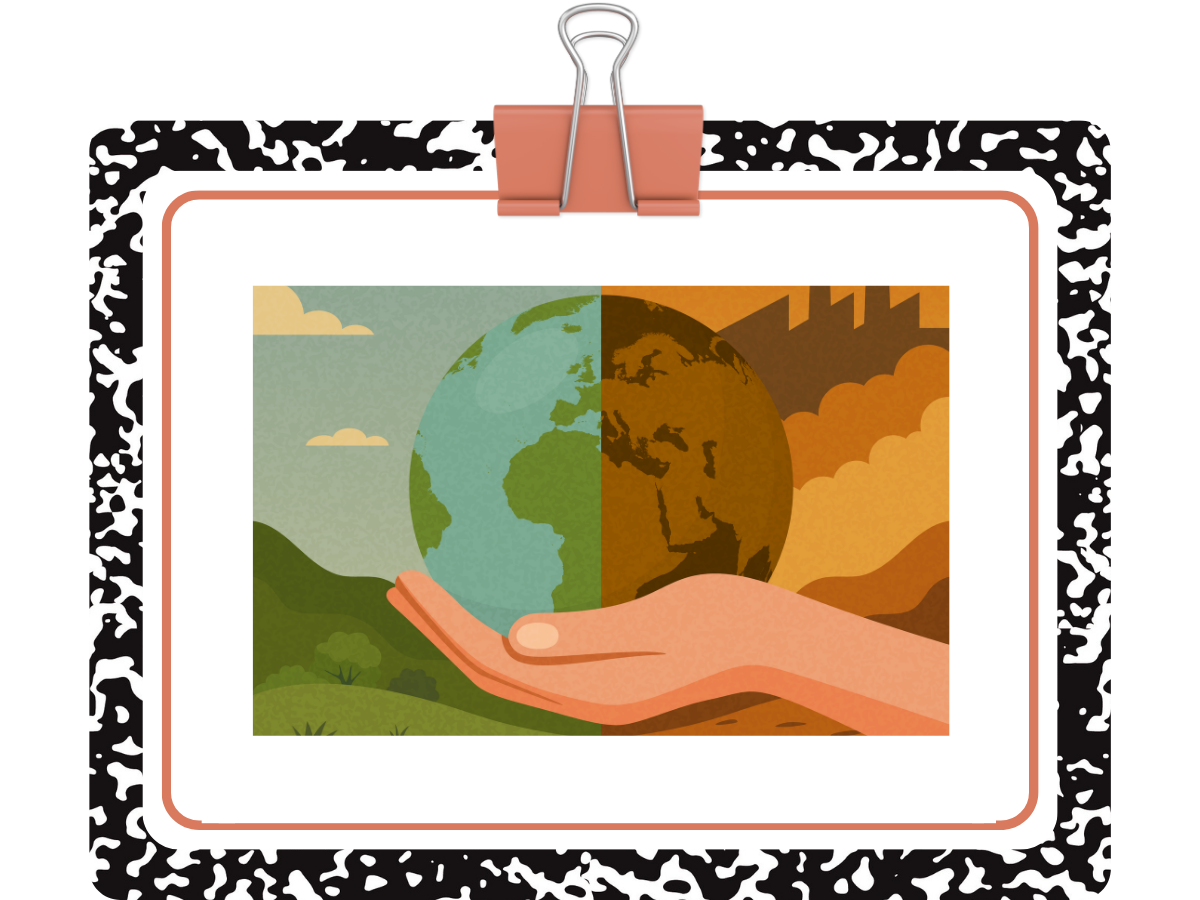
Climate Change Game
In this interactive activity, students explore real climate solutions and then answer questions to see which solutions align with their own thinking. It's an engaging, low-prep way to open up a classroom conversation about climate action.
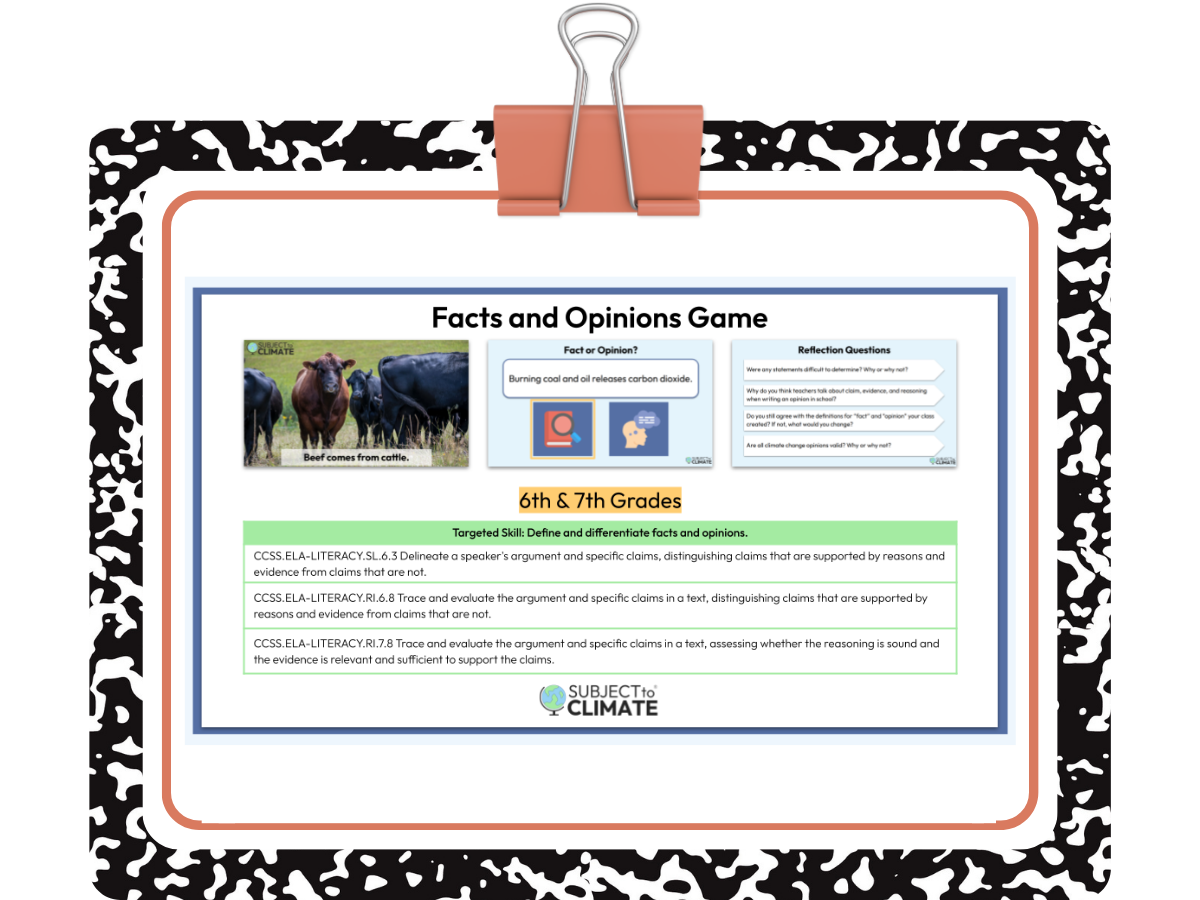
Facts and Opinions Game
Students read climate-related statements and decide whether each one is a fact or an opinion, building critical thinking and media literacy skills in a fun, game-style format. This one works well as a whole-class warm-up or review.
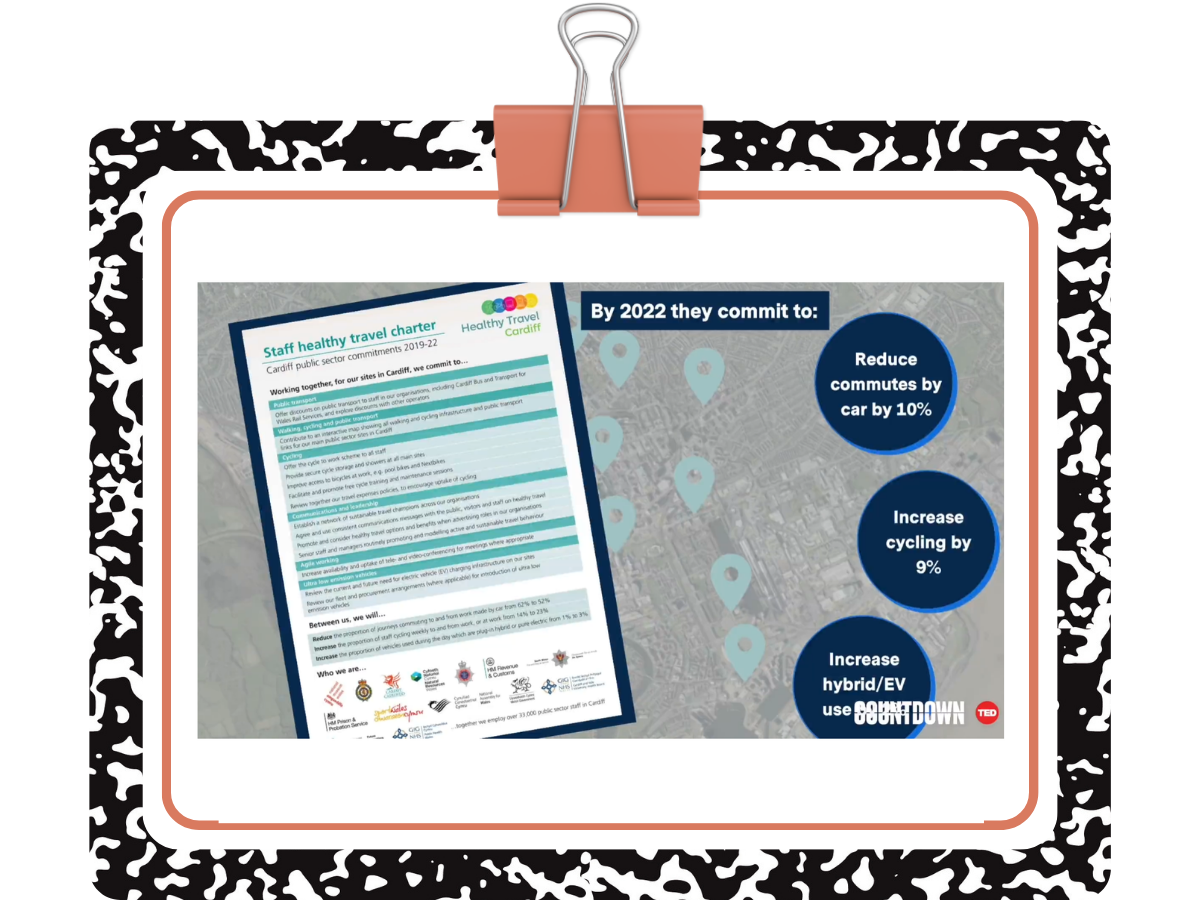
Video Response Worksheet
Students watch a short video about Wales and its national commitment to protecting future generations, then write an informative piece about the steps Wales is taking. Students consider how the actions we take today shape the world.
Hands-On Fun
These activities get students up, outside, and making things with their hands, a great way to build curiosity and community during the first weeks of school. Each one invites middle schoolers to engage with the natural world through creative, place-based, or engineering challenges that feel open-ended and genuinely fun.
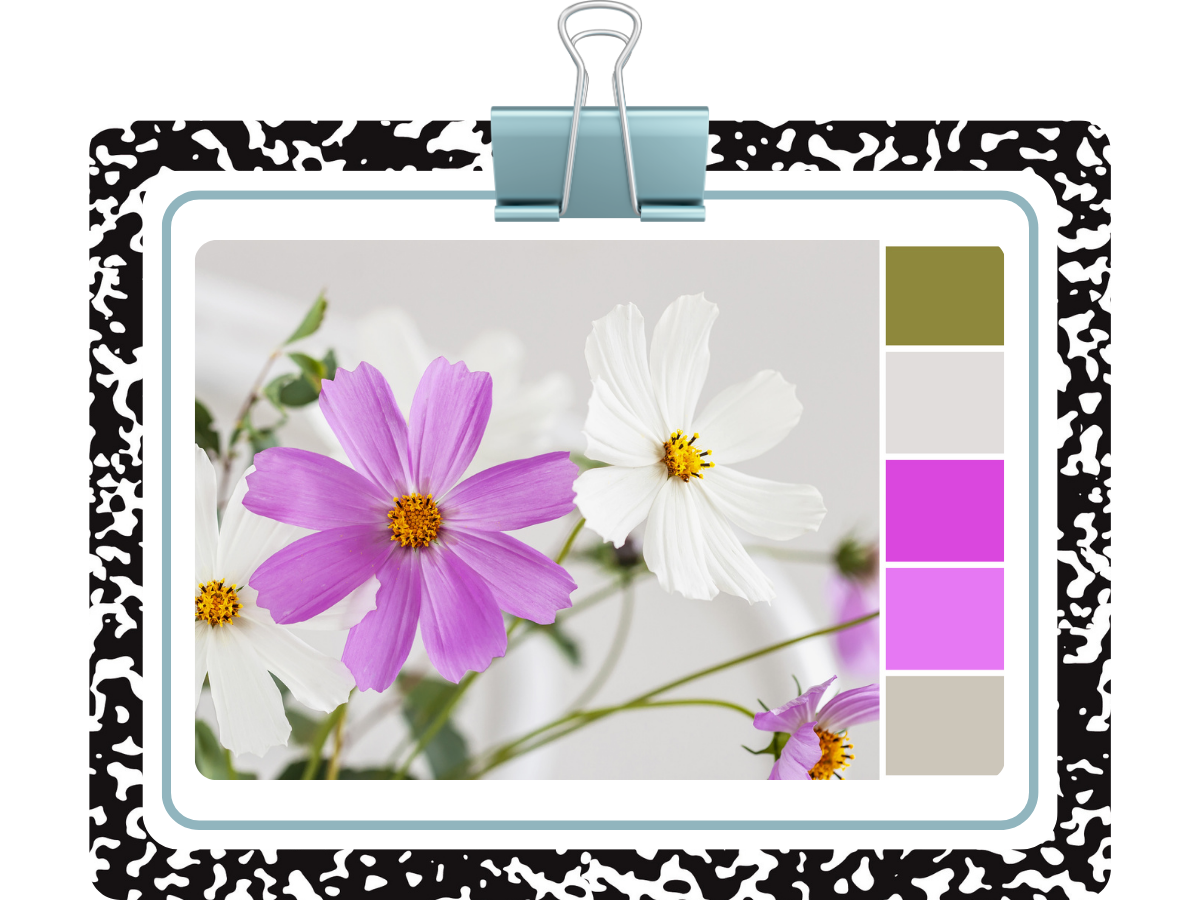
Colors of Place Activity
Students head outside with paint chips, find natural objects that match their assigned color, and map how each connects within the ecosystem. This outdoor activity builds systems thinking skills and deepens understanding of the natural world.
Ecosystem Observer
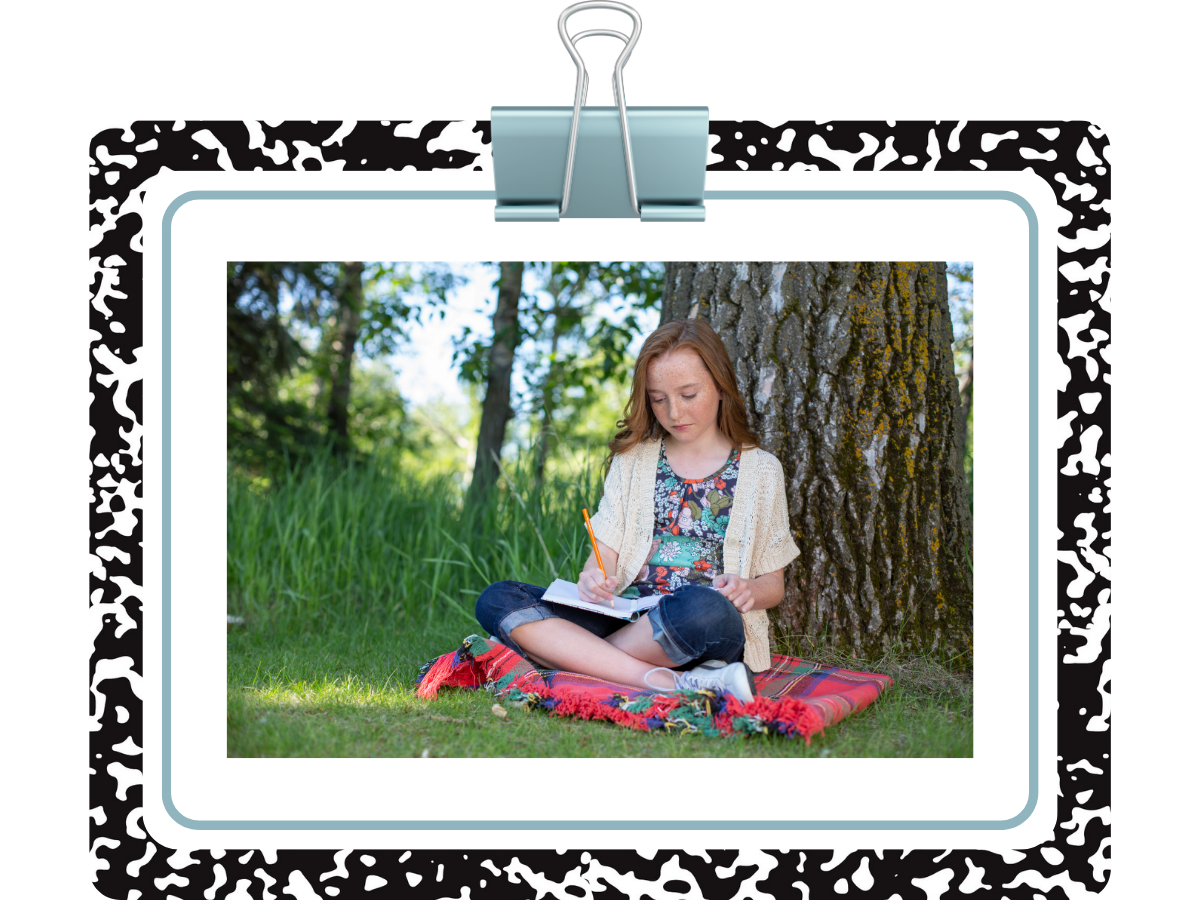
Students choose an ecological topic of interest, make multiple field observations, and create a nature note to share their findings with the class. Students can also submit their notes to Findings in the Field, giving their work a real-world audience beyond the classroom.
Create a Circle Back to You
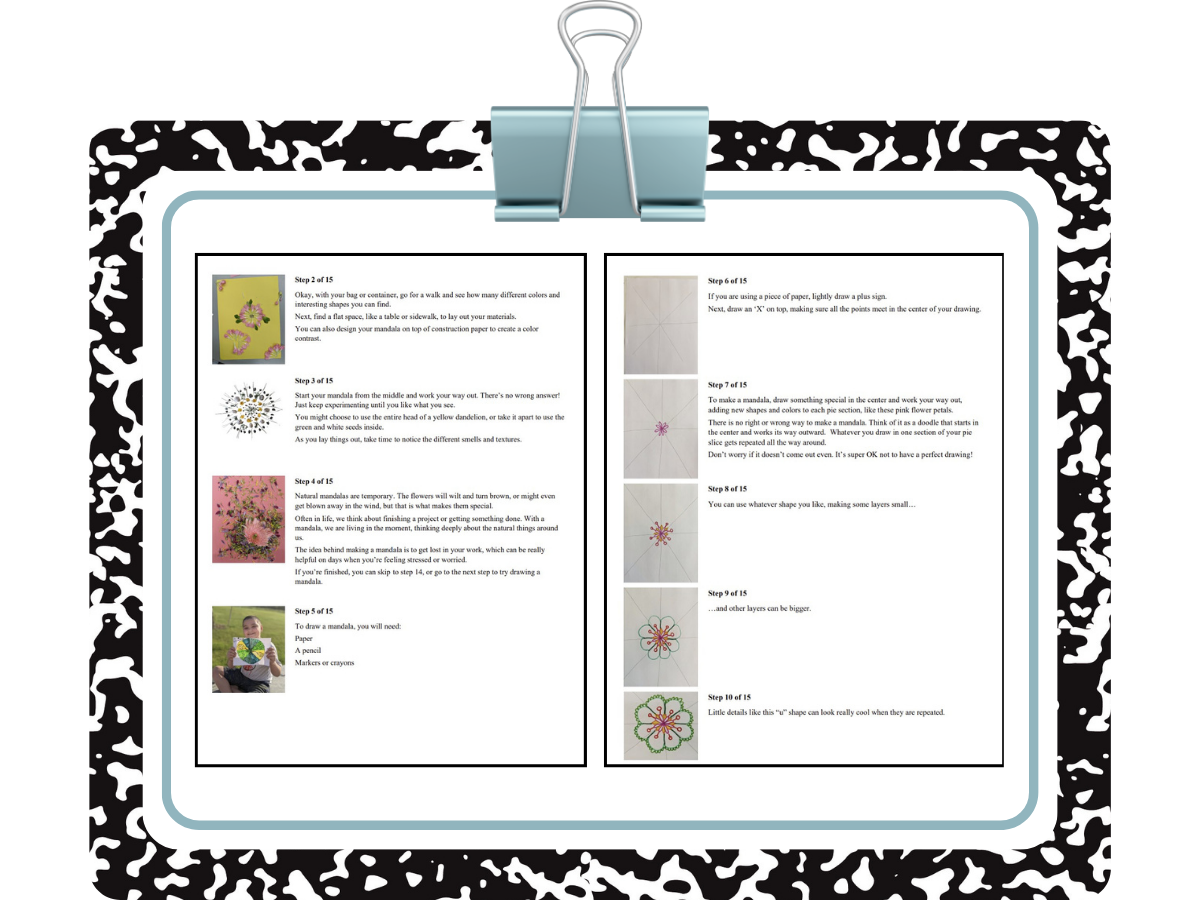
In this reflective art activity, students create a mandala using natural materials, representing their connections to the natural world and local environment. It's a creative and meaningful way to help students see themselves as part of a larger ecological system.
The "Do Nothing" Machine
Students design a whimsical contraption that uses multiple steps and everyday materials to accomplish a very simple task in the most elaborate way possible. This open-ended engineering challenge gets students thinking creatively about resources and systems.
STEM Lessons
These inquiry-driven science lessons give middle schoolers the chance to think and work like scientists right from the beginning of the year, asking questions, collecting real data, and exploring local environmental issues. Each one is designed to build observation and investigation skills that students will use all year long.
Testing Local Water pH
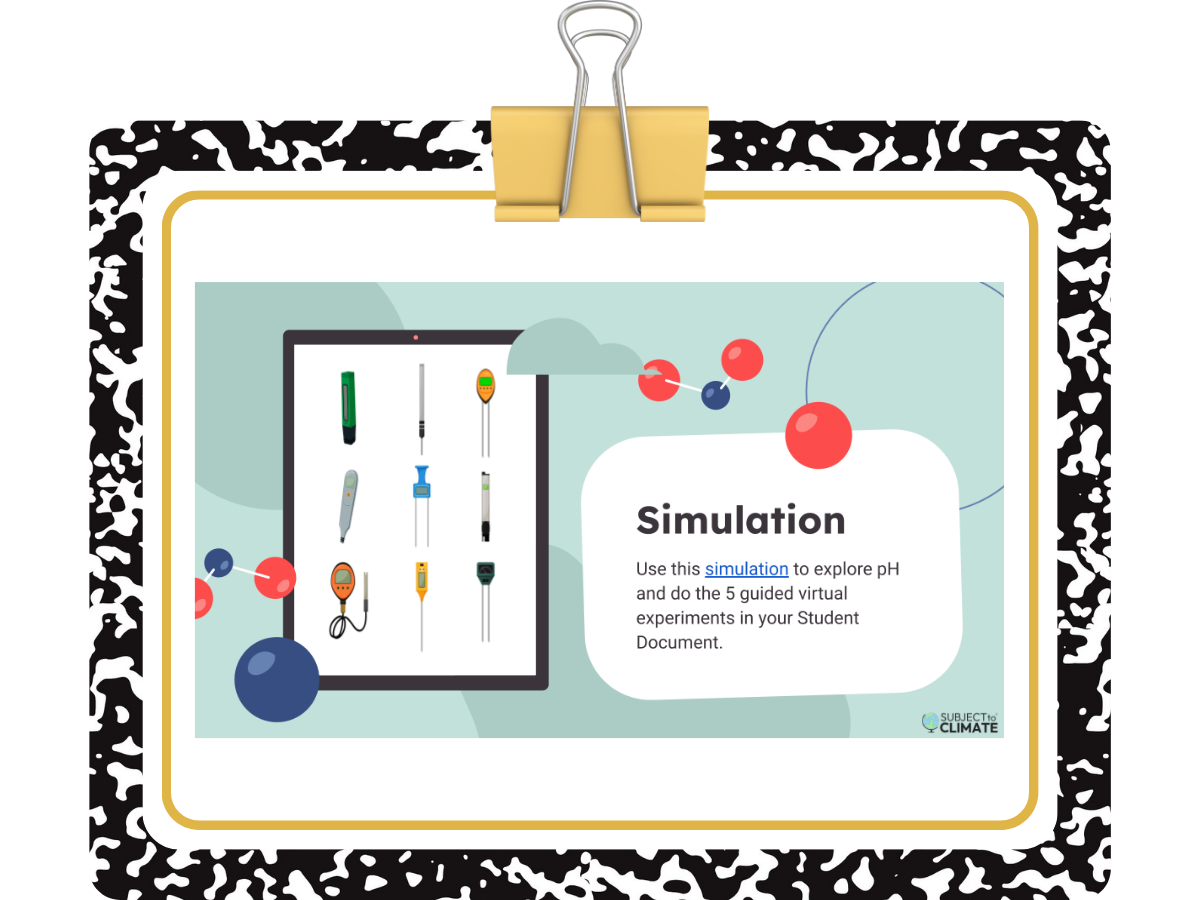
Students learn about the pH scale and how scientists use it to measure the health of a freshwater body, then design their own experiment to test the pH of a local waterway. The lesson also includes space for students to reflect on their relationship to water sources.
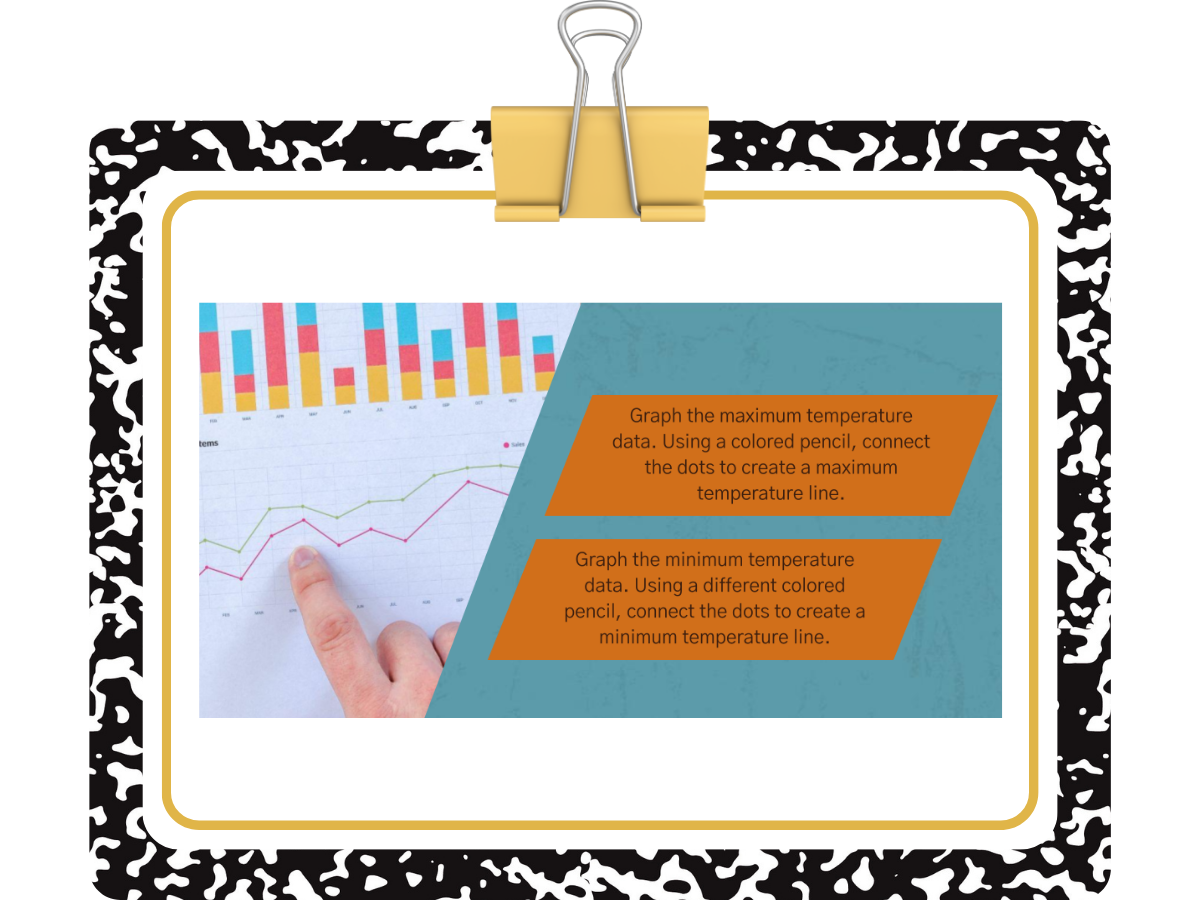
Rising Temperatures
Students analyze historical temperature data by creating graphs that show changes over time, building graphing and data literacy skills in a real-world context. This lesson helps students visualize evidence of climate change.
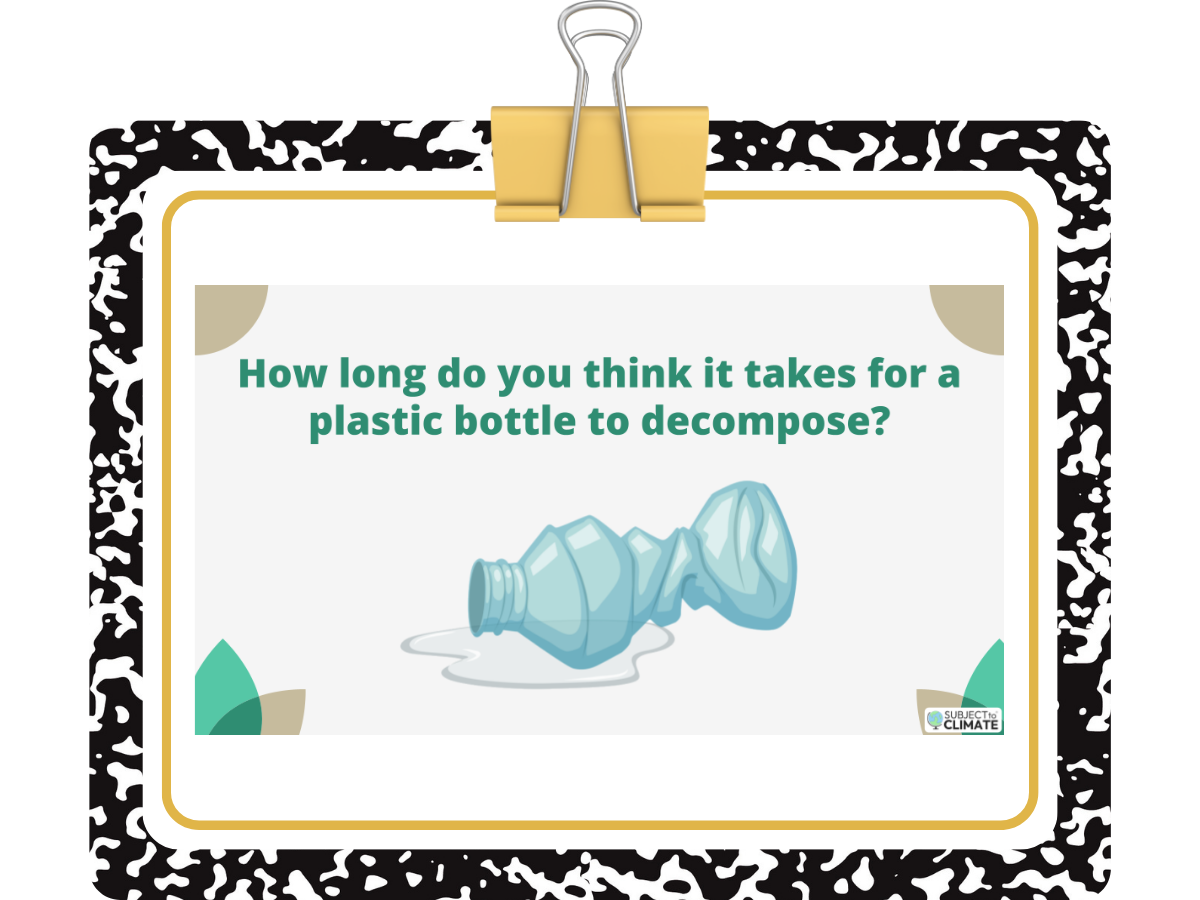
Design Thinking Lesson
Students explore how landfills work, investigate how long common materials take to decompose, and learn how solid waste contributes to climate change. Using a design thinking approach, students then brainstorm and discuss solutions to reduce waste.
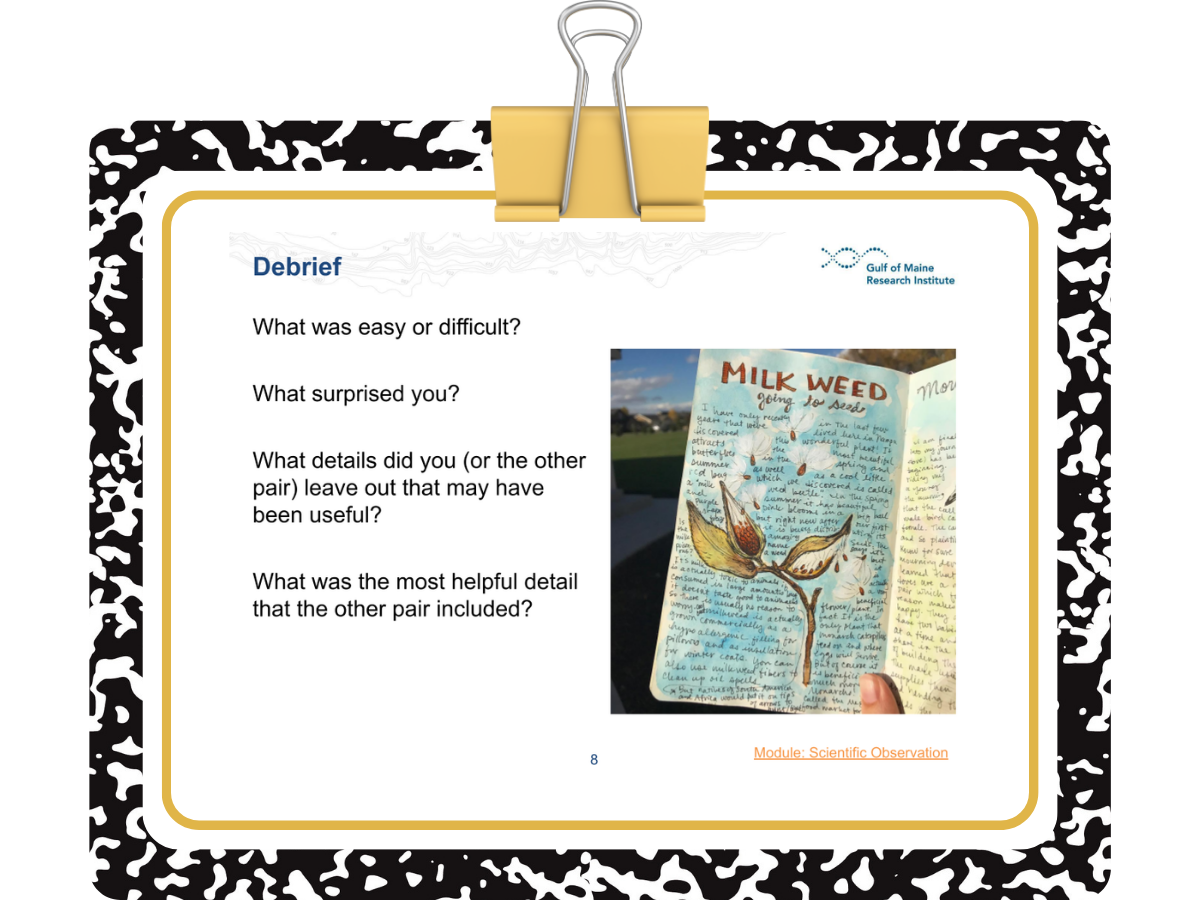
What is Scientific Observation?
This module introduces students to the practice of careful scientific observation as a way to notice and investigate the natural world around them. Activities require few materials and are flexible enough to work as a first-week science opener for students at any level.
ELA Support
These writing and literacy activities bring environmental topics into your ELA classroom from day one, giving students something relevant and thought-provoking to read, discuss, and write about. Each one is aligned to core writing standards and designed to support skill-building and genuine engagement at the same time.
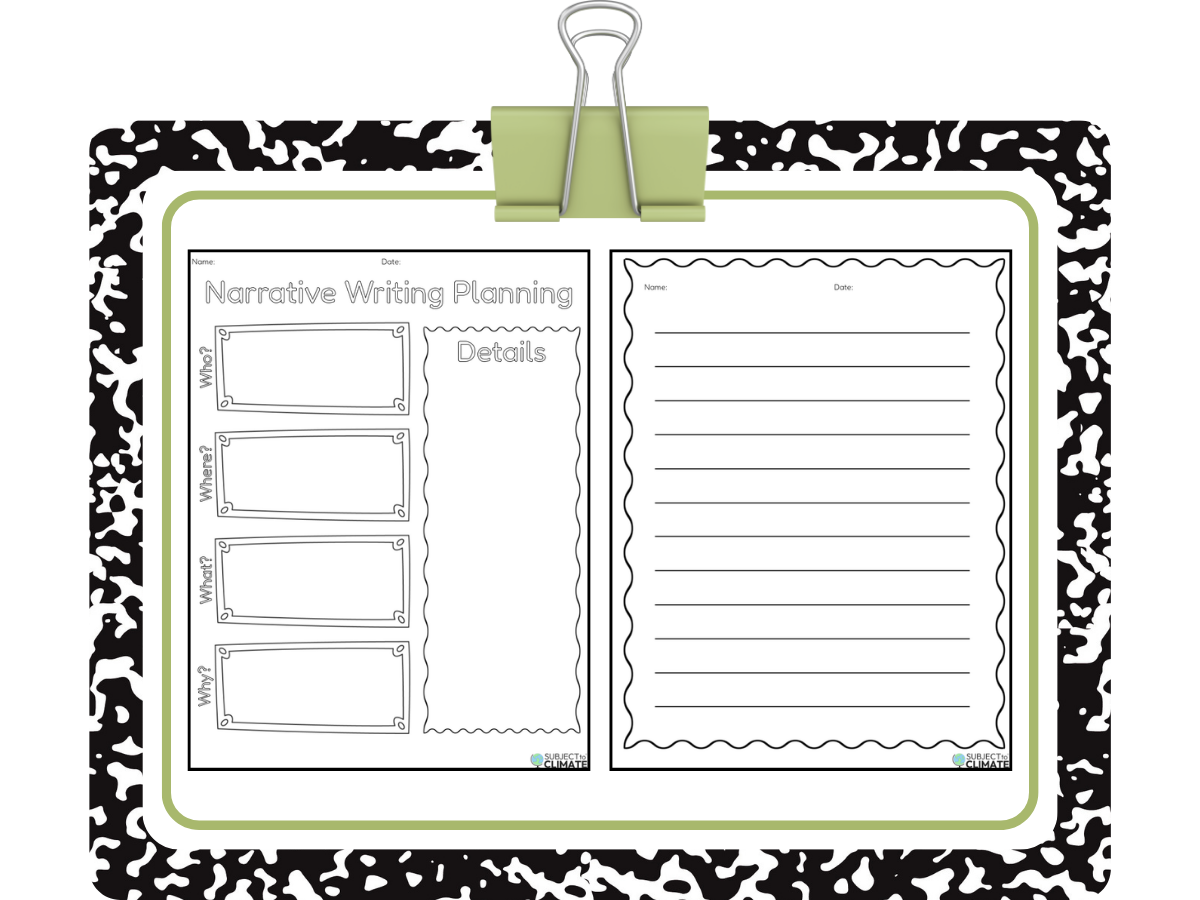
Narrative Writing: Trees
Students watch a TED Talk in which scientist Suzanne Simard explains how trees communicate through underground fungal networks, then write a narrative piece about trees communicating with one another. This lesson connects science to creative writing in a meaningful way.
Opinion Writing: Lakes & Rivers
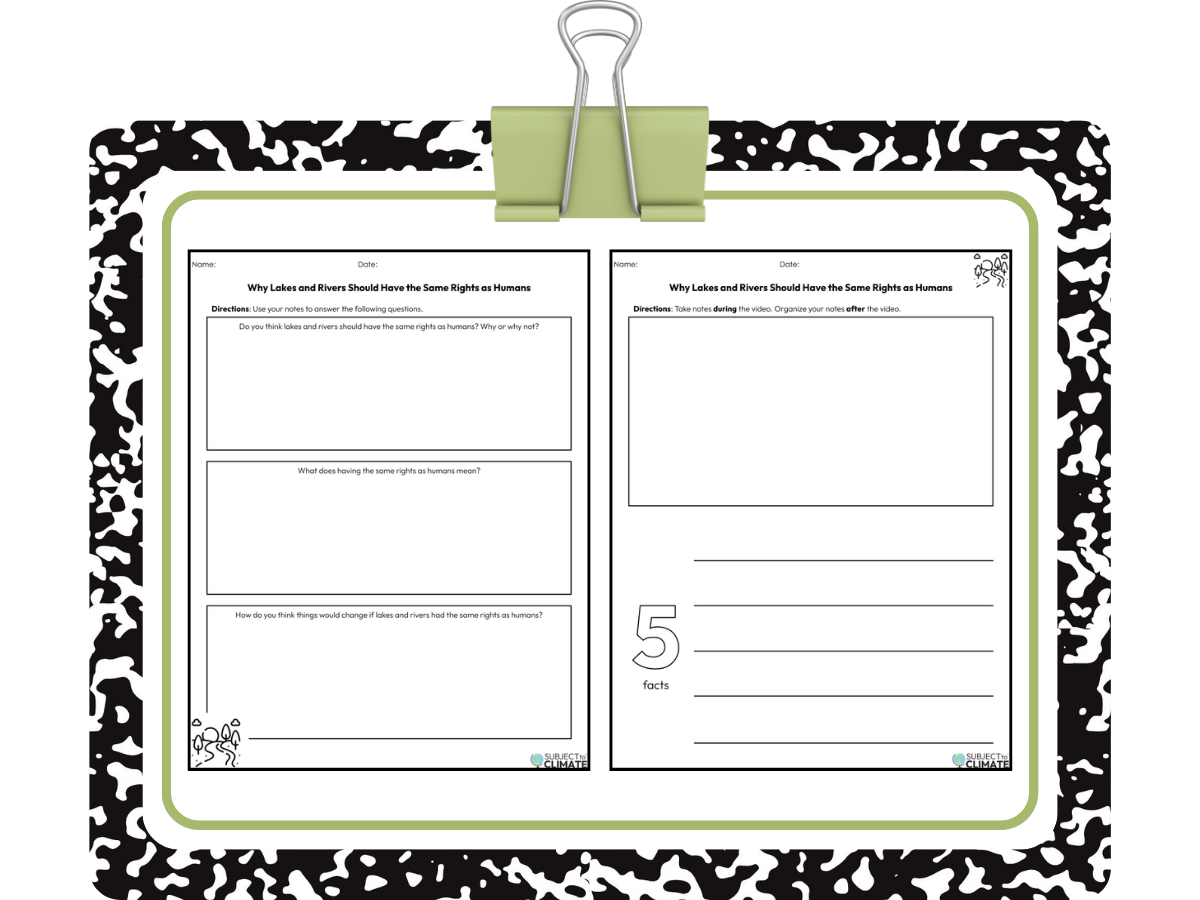
Students explore real-world debates around the legal rights of natural features like lakes and trees by watching a video and taking notes, then write an opinion piece arguing their position. This activity builds argument writing skills while connecting students to environmental policy discussions.
Food Miles: ELA Lesson
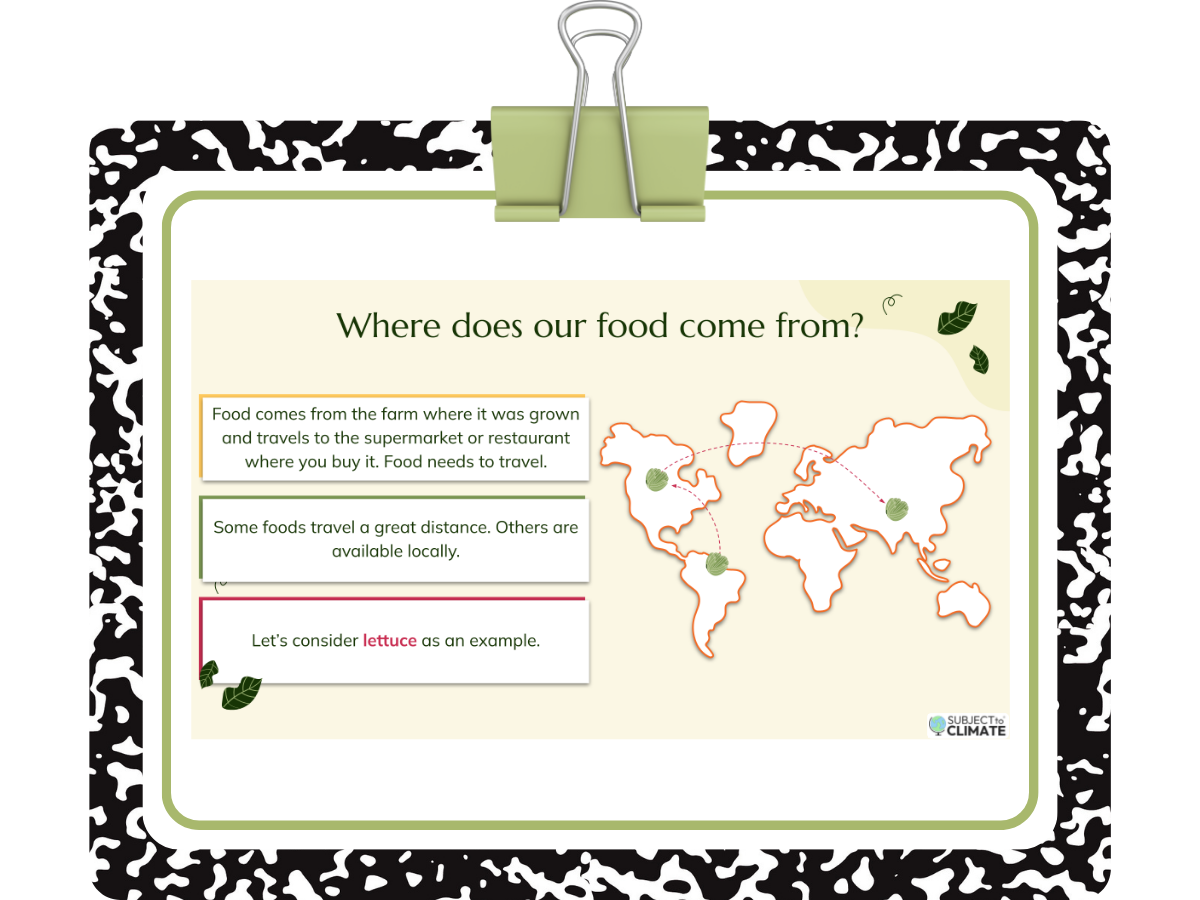
Students play a guessing game about where their food comes from, learn what food miles are, read an article about eating locally, and write their own article about how to reduce food miles. This lesson gives students a real-world writing purpose while highlighting the impact of our choices.
Climate Vocabulary
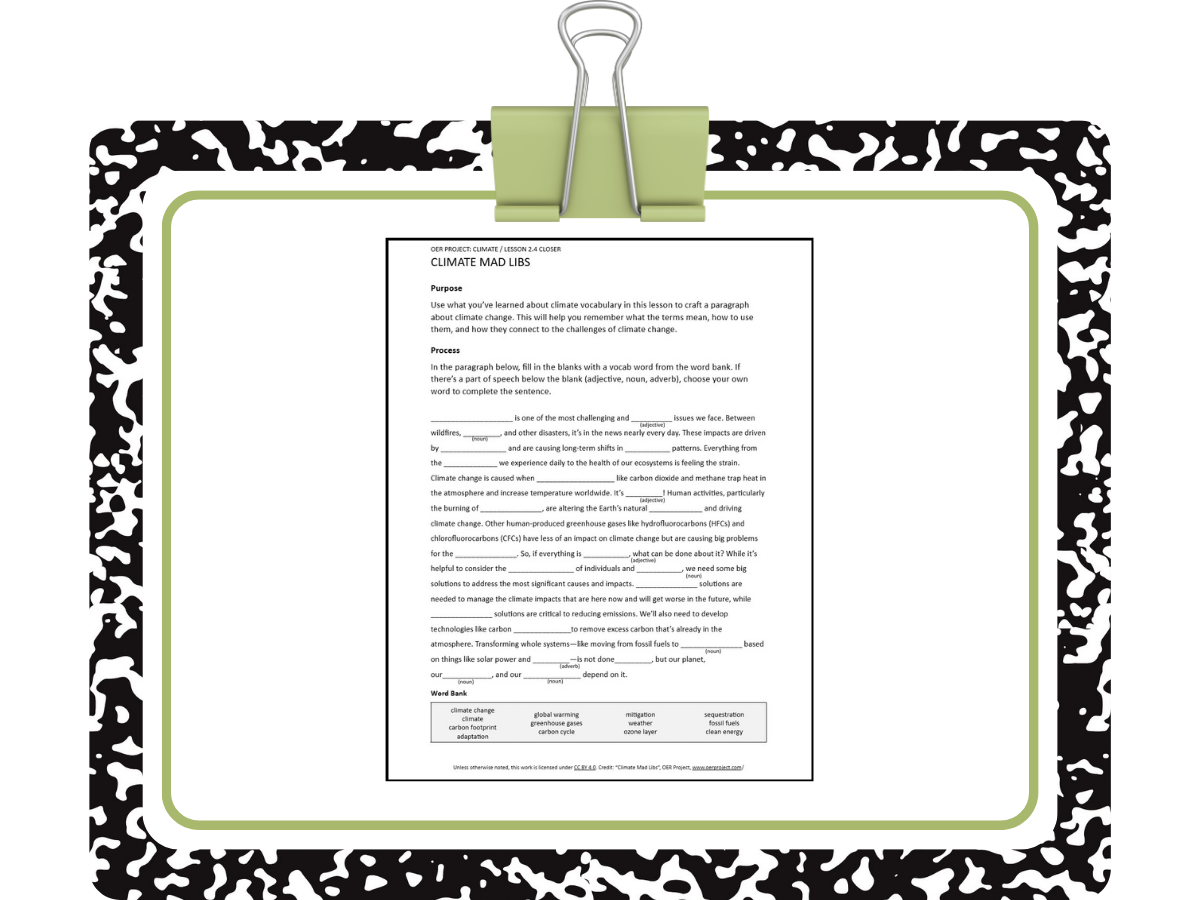
This resource guides students through engaging activities to build their vocabulary, including a word game, trivia creation, and a Mad Libs activity that makes new terms approachable and fun. It's a great way to give students the language they need to discuss environmental topics with confidence.
Math Support
These worksheets and back-to-school math activities connect core middle school math standards to real-world climate and environmental topics, helping students see that math is a tool for understanding the world. Each resource is flexible and easy to fit into your existing curriculum with little to no prep.
Renewable Energy Algebra
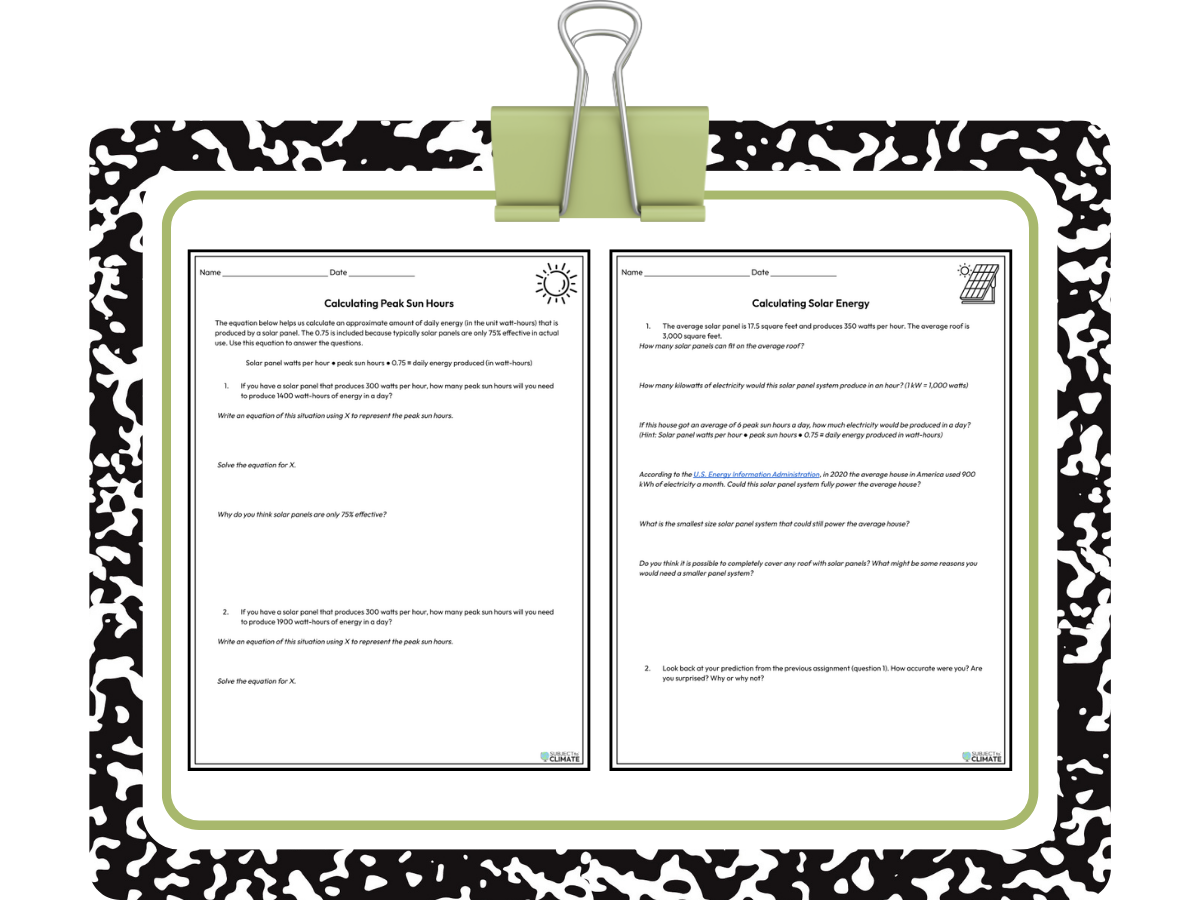
This collection of worksheets has students use algebra to calculate peak sun hours, wind energy output, and biofuel production rates. Each worksheet stands on its own, making it easy to plug into any algebra unit or lesson sequence.
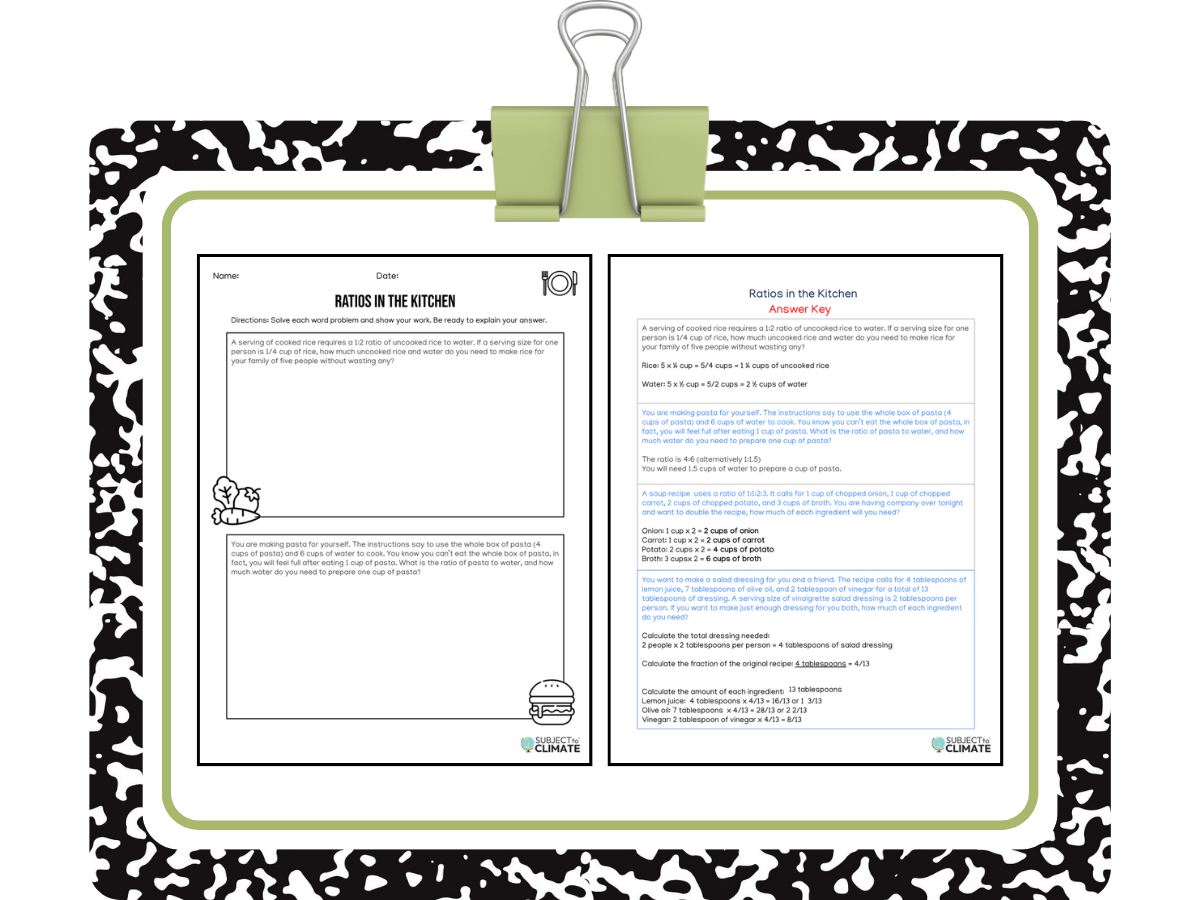
Ratios in the Kitchen
Students watch a short video about food waste and climate change, reflect on their habits in discussion, and complete a worksheet using ratios to analyze food waste data. This activity connects ratio skills to a real-world environmental issue.
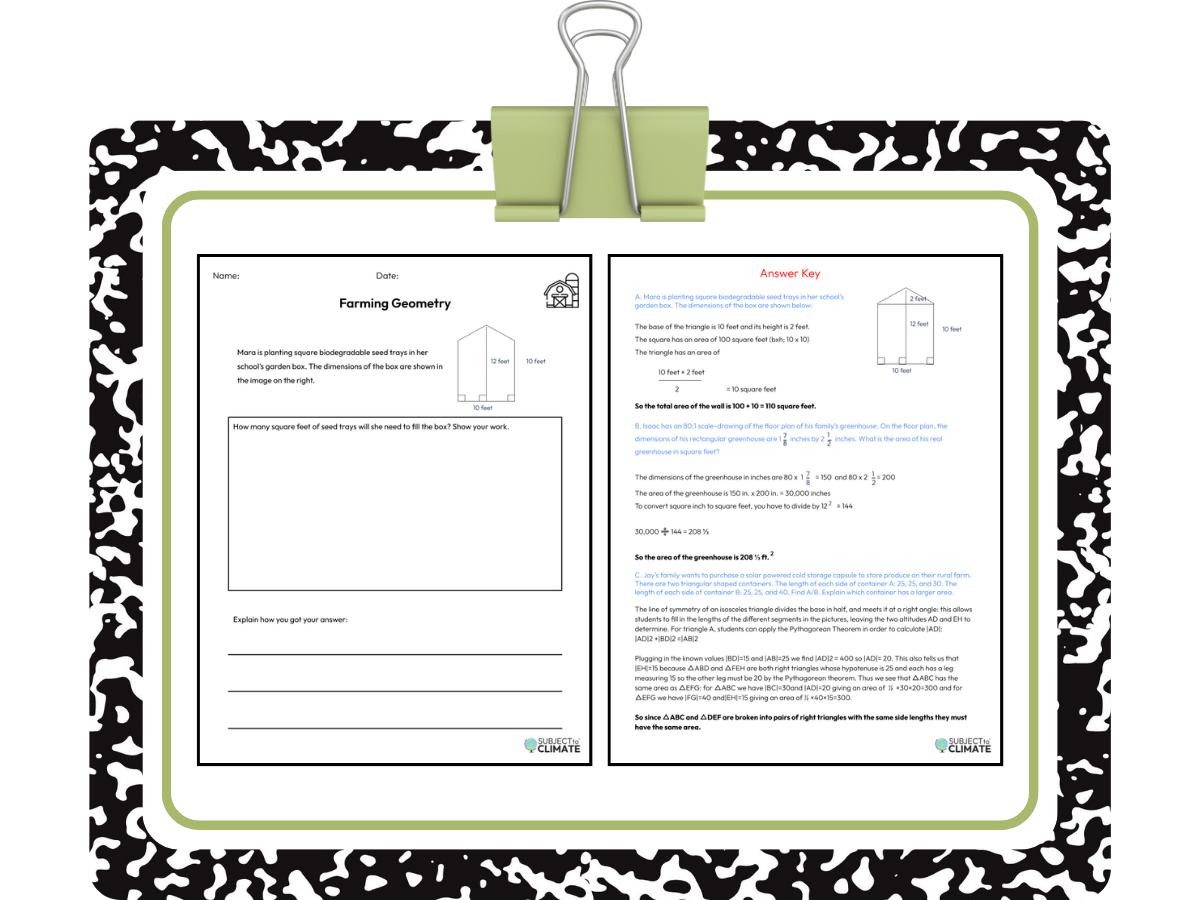
Farming Geometry Activity
Students discover how little of Earth's land is available for farming by using geometry to measure and visualize land use, then discuss how sustainable agriculture can help feed us. The lesson connects geometry to the food systems, deforestation, and soil health.
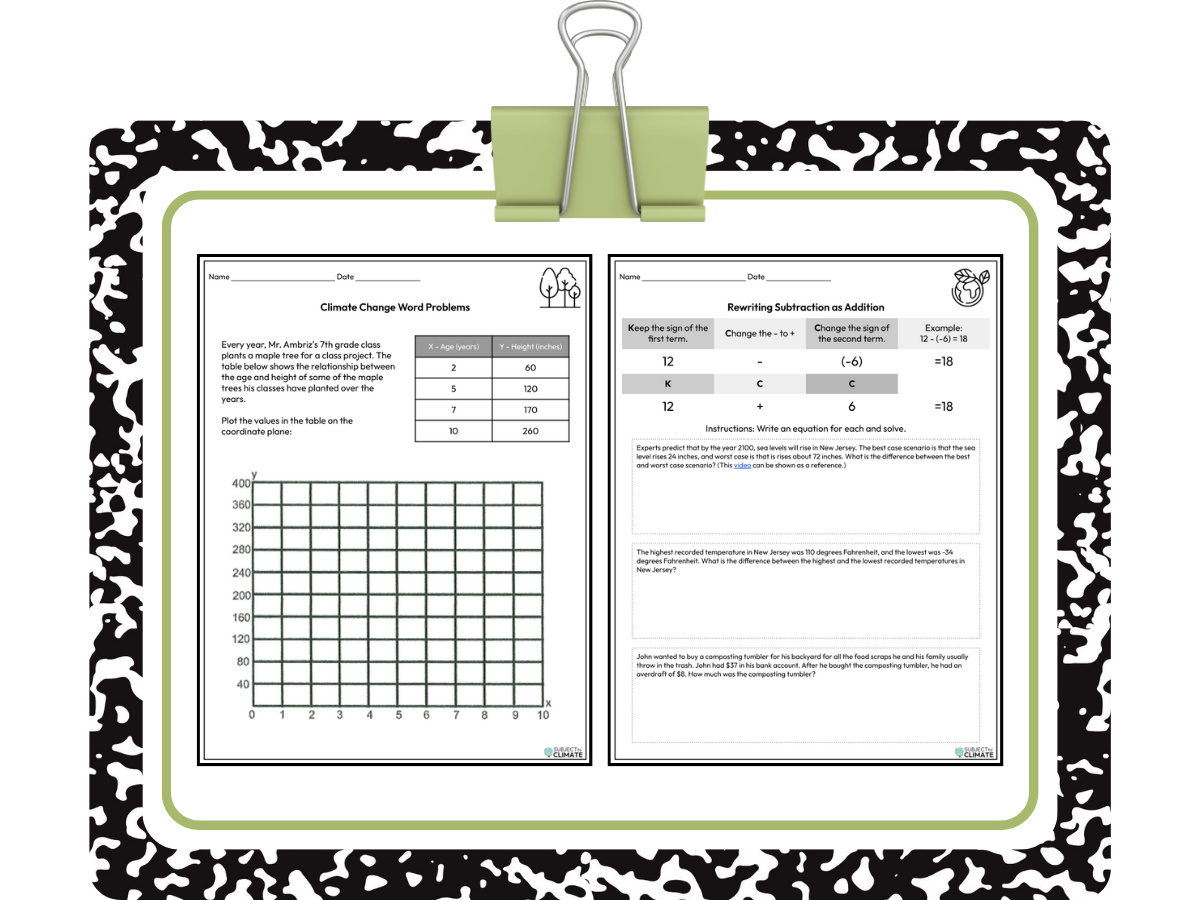
Word Problems
These four worksheet sets have students practice scale, area, fractions, percentages, and graphing through real-world climate change scenarios. Each set can be used independently as a bell ringer, independent practice, or homework assignment.
More Guidance for Back to School
FAQ
- Do these resources require a lot of setup or planning time? No, everything in this guide is designed to slot into your existing plans with little to no prep. Most resources work as standalone warm-ups, independent practice, or short group activities, so you can use them without reworking your curriculum.
- Are these resources aligned to academic standards? Yes, every resource in this guide is standards-aligned. Activities are designed to reinforce grade-appropriate skills across science, ELA, and math, with connections to argument writing, data analysis, algebra, geometry, scientific investigation, and more.
- Do I need to be teaching a climate unit for these to make sense in my classroom? Not at all. These activities for your first week are built to fit naturally into existing subject-area instruction. Whether you teach ELA, math, or science, the climate and environmental connections are woven in as context for the skills you are already teaching, not as a separate unit requiring additional time.
- Are these resources appropriate for students who are new to climate topics? Yes. The guide includes resources that work for students at any level of prior knowledge, from introductory vocabulary-building and fact-versus-opinion games to more complex data analysis and scientific investigation. You can start wherever your students are and build from there.
Key Takeaways
- The first weeks set the tone for the whole year. As Edutopia reports, researchers found that elementary teachers who explicitly taught procedures and routines in the first three weeks of school had measurably higher student engagement for the rest of the year than teachers with less established routines.
- These easy activities for your first weeks won't teach routines for you, but because they're low-prep and ready to use, they free you up to focus your energy on the routine-building and community-setting that matter most in the first weeks.
- Resources span every 6-8 subject, including STEM, ELA, and math, with climate and nature themes woven in to give you cross-curricular options that fit your existing schedule.
- You've got a full toolkit for a strong, engaged start to the year across every subject, with plenty of ways to help your students think critically about the world around them. Keep exploring SubjectToClimate.org throughout the year for even more free, teacher-approved resources to sustain this momentum. Here's to a great year of learning, thinking, and connecting with the world around us!

Author: Yen Yen Chiu
Some Resources in this Guide Provided by Our Partners